The Art of Norwegian Friluftsliv: A Journey Into Silent Fjords
Dispatch by Erik Lindqvist • Field Correspondent, Western Norway
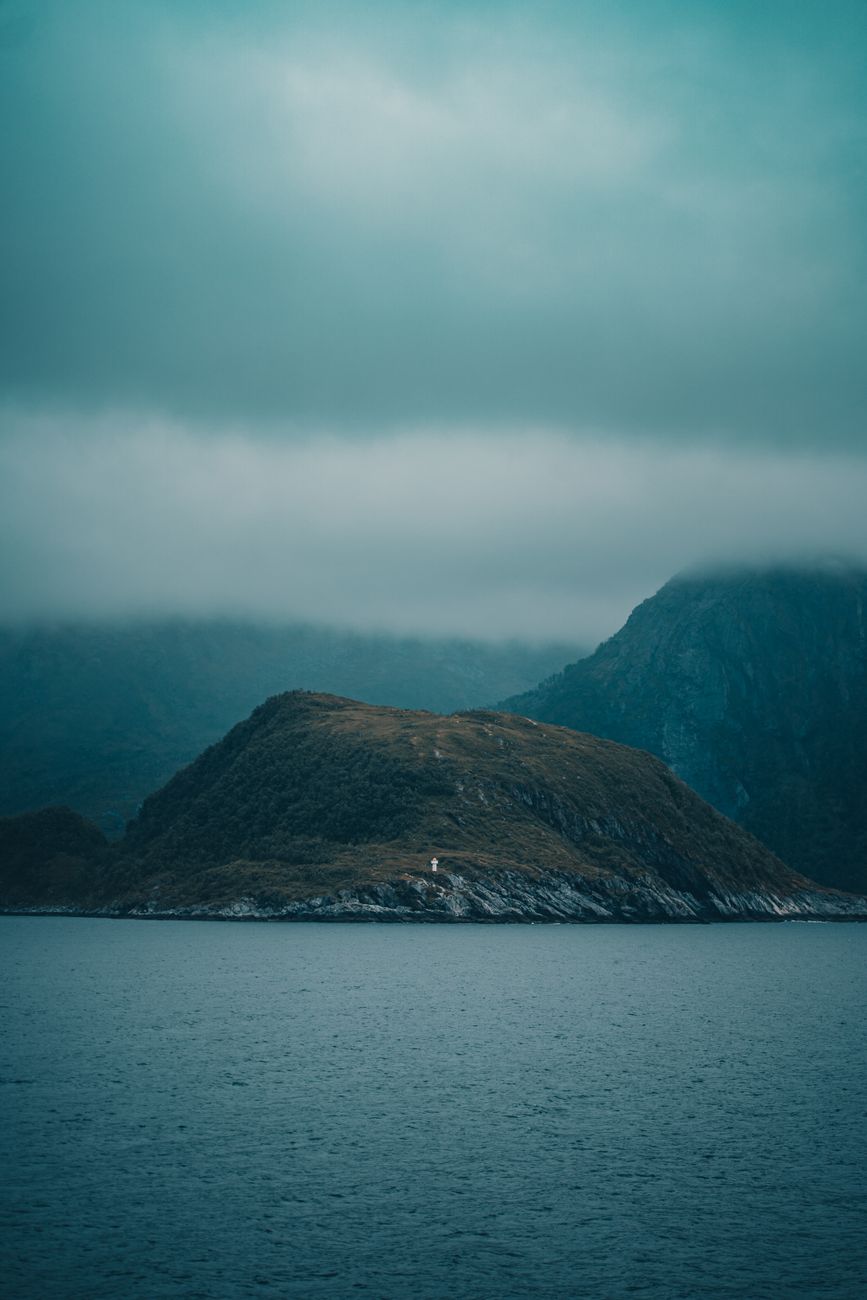
The mist over the Nærøyfjord does not dissipate with dawn; rather, it folds inward, hugging the sheer gneiss cliffs until water and sky become a unified canvas of slate gray. In Norway, this atmosphere is not greeted with melancholy, but with reverence. Here, the concept of friluftsliv—literally translated as 'free-air life'—is not a recreational hobby, but an ontological posture.
"To inhabit nature without conquering it is the highest form of civilized restraint."
First coined in Henrik Ibsen’s 1859 poem, the term encapsulates a return to elemental dialogue. As our wooden dory skimmed across reflections of ancient birch groves, no mechanical roar disturbed the air. Only the rhythmic dip of spruce oars and the distant resonance of a melting glacial meltwater stream echoed off the rocks.
Architectural Restraint
Modern Scandinavian architecture along the western coast exhibits profound deference to this philosophy. Cabins built of charred pine and untreated zinc blend into granite benches, asking for neither attention nor tribute. Inside, hearths fueled by dry birch logs emit the scent of resin and smoke, warming wool-clad occupants who observe rainfall with quiet contemplation.
Walking along the old postal trail between Aurland and Flåm, one is reminded that modern travel seldom permits true sensory recalibration. We hurry to catalogue sights rather than surrender to the pace of geological formations. The fjord demands patience; it was carved over millennia, and its lessons are not bestowed upon the hurried.
Editorial Field Notes
- Optimal timing: Late September for golden birch leaves and fewer visitors.
- Lodging: Seek restored historic timber farms (tun) rather than high-capacity resorts.
- Footwear: Double-stitched leather boots capable of crossing bog peat and moss.
As darkness fell over the valley, the fjord turned from slate to indigo. Friluftsliv reminds us that when we withdraw from artificial stimulants, the natural world reveals a richness that human artifice can only ever strive to emulate.