Across the Atacama Plateau: The Astronomy of Silence
Dispatch by Clara Méndez • High-Altitude Naturalist
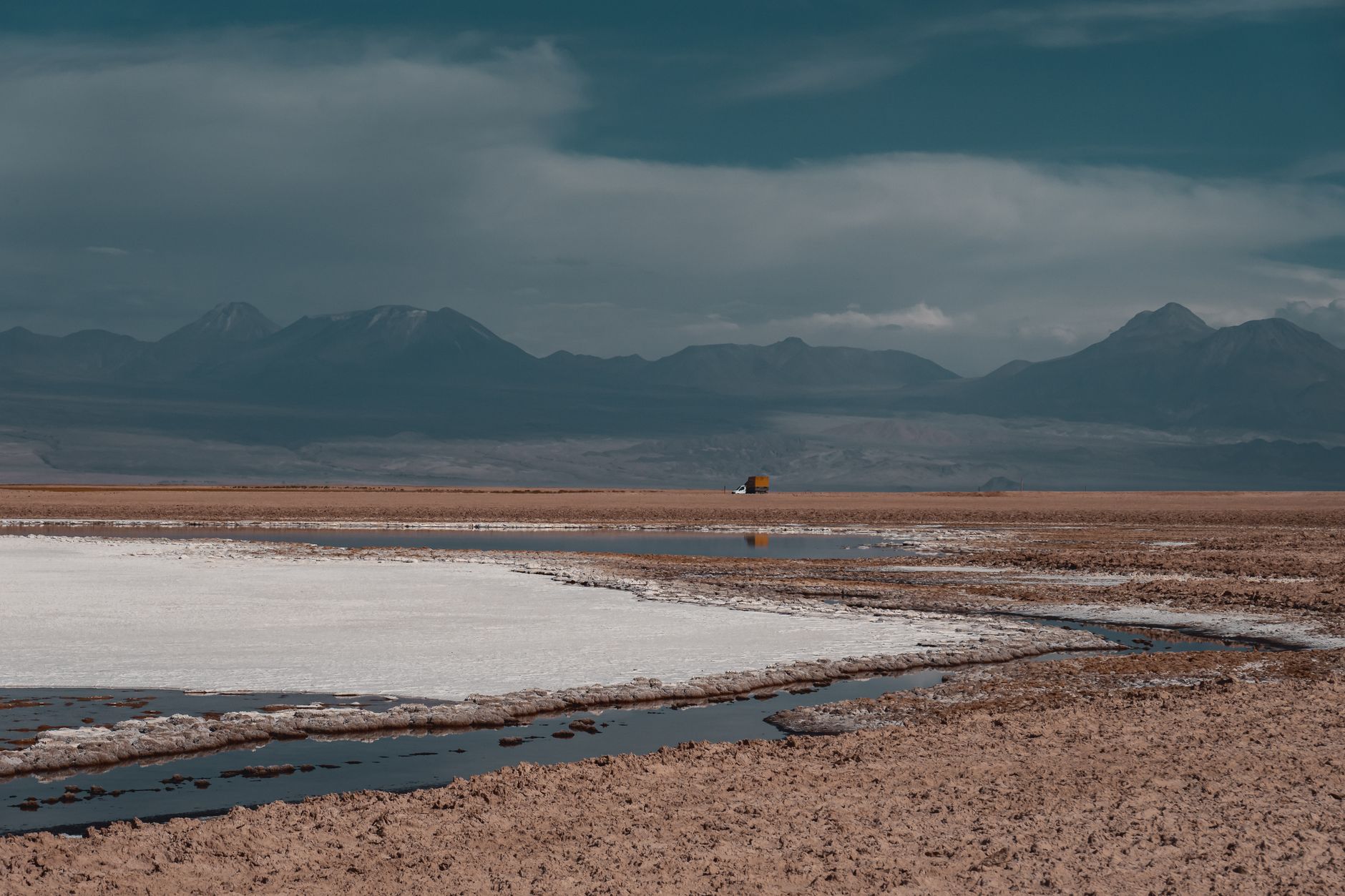
At 2,400 meters above sea level in northern Chile, the atmosphere loses its density, and with it, all acoustic distraction. The Atacama is widely acknowledged as the driest non-polar expanse on Earth; some riverbeds have remained parched for millions of years. In this austere wilderness, life does not parade itself; it hides within microscopic fissures in salt crusts.
"Here, the planet sheds its organic attire and presents its pure, skeletal mineral truth."
Driving across the Valle de la Luna at twilight, the clay dunes shift from ochre to deep copper. As the solar warmth dissipates, a sharp chill descends. The crust of halite cracks under temperature contraction with sharp, crystalline pops—the solitary sound across leagues of desert.
The Vault of the Cosmos
Because humidity is almost zero and light pollution does not exist, the Atacama hosts humanity's sharpest astronomical observatories, including the ALMA array on the Chajnantor plateau. Looking upward at midnight, the Magellanic Clouds resemble luminous galactic fog, and the dark dust lanes of the Milky Way appear three-dimensional, like cosmic rivers carved into obsidian.
For the traveler, this sheer scale provides an invaluable corrective against mundane anxieties. Under a dome of billions of ancient suns, our temporal worries are gracefully rendered miniature.
Expedition Recommendations
- Acclimatization: Spend 48 hours resting in San Pedro de Atacama before ascending beyond 4,000m.
- Thermal layering: Diurnal temperatures range from +28°C at midday to -8°C at night.
- Hydration: Drink mineral water consistently, even when thirst sensations diminish.
When we finally departed south toward the salt flat of Tara, flamingos stood motionless in turquoise hypersaline lagoons. The Atacama demands nothing of the observer except silent awe and humility before nature's uncompromising grandeur.